НарядAI
Repair work orders with an AI inspector for a mining and processing plant
Problem
At the plant, repair orders are issued on paper and over the radio. The foreman can't see who is free or what is overdue, the worker hears about a job late, repair quality is judged by eye, and nobody analyses the failure history.
Solution
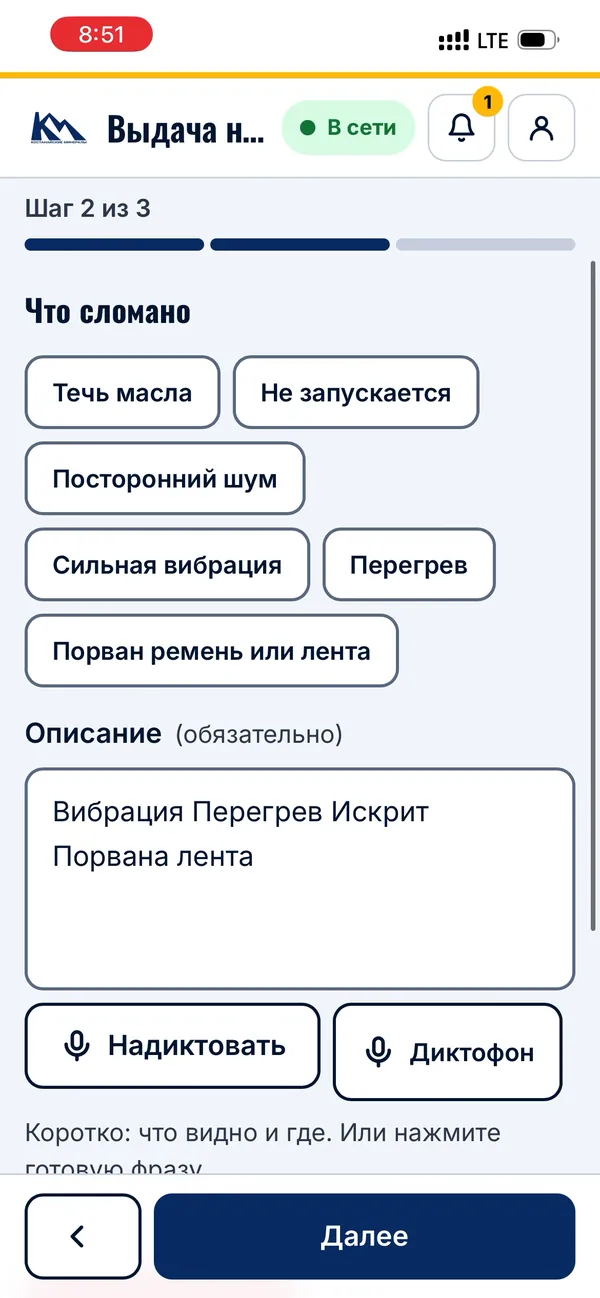
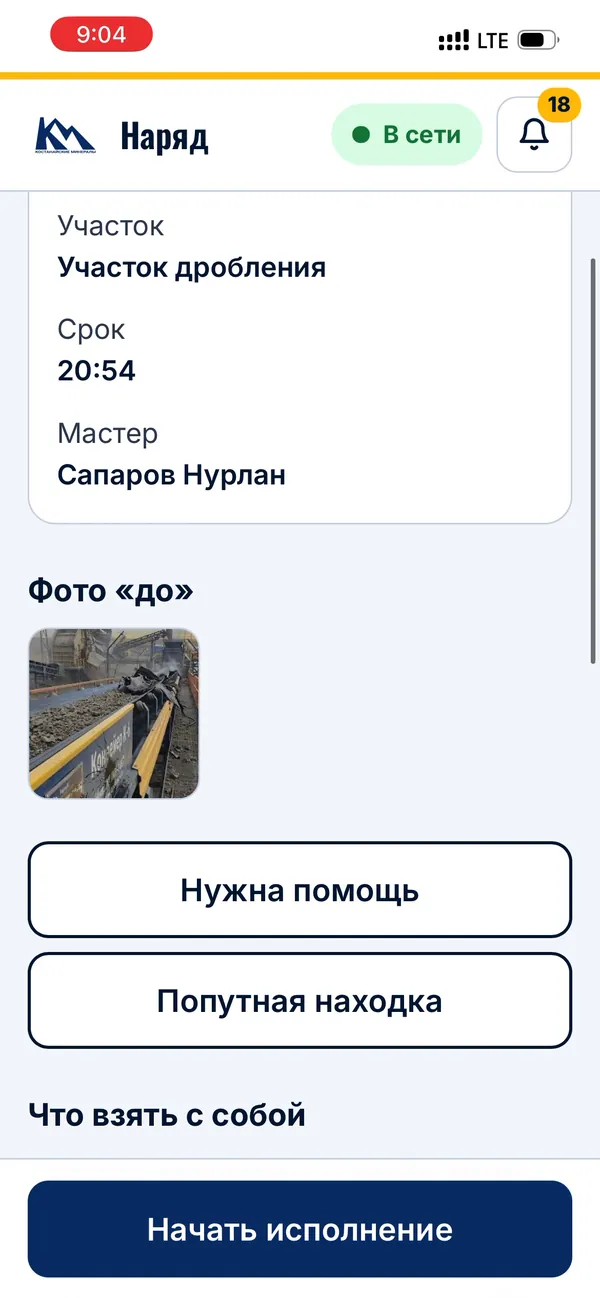
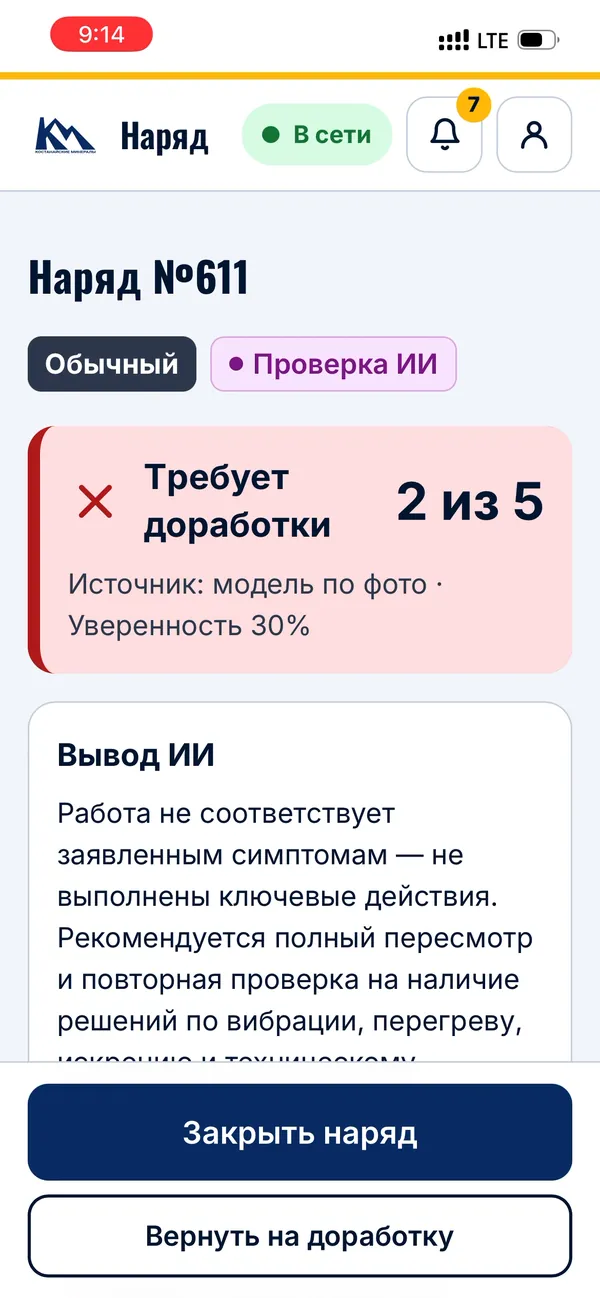
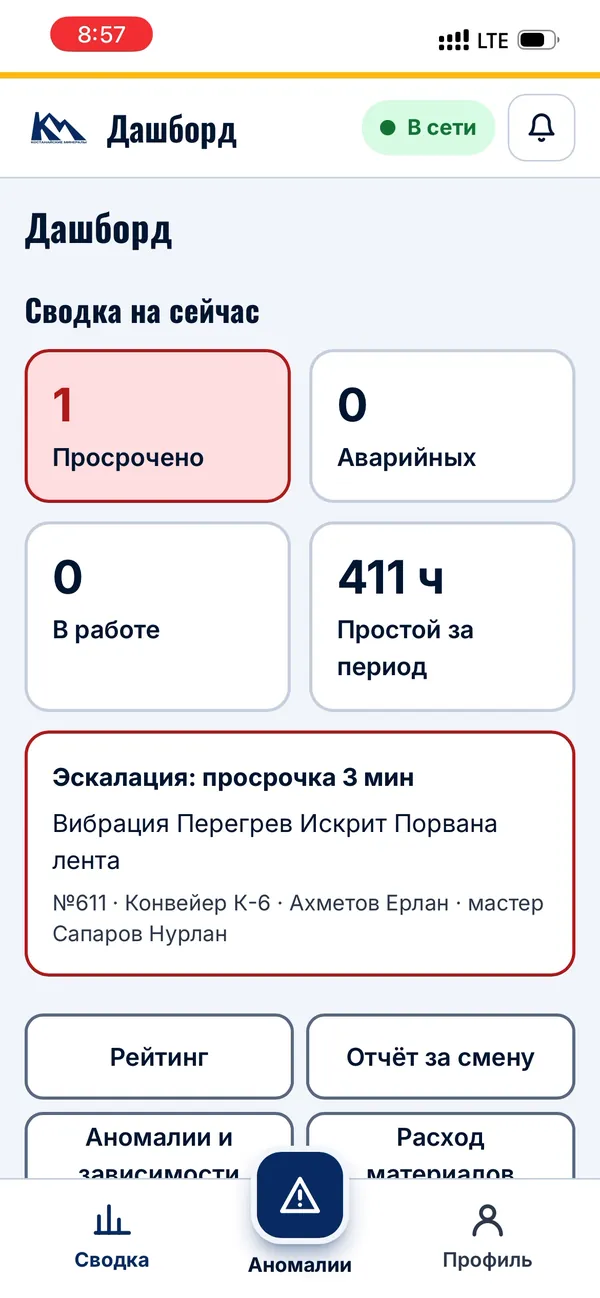
One app for four roles. An operator reports a breakdown via the QR code on the machine, with no login. The foreman issues an order in 6 taps or one spoken sentence. The worker accepts it, passes the safety check and closes it with an "after" photo. The AI compares the photo and the work notes with the problem and gives a score with an explanation; the manager sees rankings, downtime and anomalies. The foreman always has the final say.
Engineering decisions
- Two layers of AI. The fast one is a fine-tuned Laya on our own server: under 1.5 s, it names the category, priority and trade from the fault description. The slow one is a multimodal and language model: it compares the "before" and "after" photos and says separately what is visible, what matches and what cannot be verified.
- Permissions and statuses live in the database, not in buttons: PostgreSQL access rules, transitions through database functions, and every transition writes to a log that can't be changed even with the service key. A 55-step test checks that forbidden actions are rejected.
- A cascade that never stops: our Mac → the cloud with anonymised data only (names are replaced with numbers) → code rules and a "foreman decides" verdict. Statistics, rankings and anomalies are computed by code; the model only words the conclusion.
What went wrong
- All the data is synthetic: 592 orders over 3 months with four planted patterns. The analytics find them, but that tests the method, not accuracy on a real plant.
- Laya scores 93% on category and 95% on trade, but on a test we wrote ourselves, and the training descriptions were generated by a model. We had no real requests from the plant.
- The native Android app covers only the worker role. The foreman, manager and operator use the web version, which installs on a phone as a PWA.
Result
Top 4 in the online selection with 85 points out of 100 and a place in the final — the only school team in our case's top 4. At Demo Day, instead of slides, the jury got phones with the live app in their hands. We didn't win the final, but the app and the APK work from the links below, and a status change reaches the foreman in under 4 seconds.
What I'd do differently
We were 2 points short of first place in selection, and our lowest scores were for technical implementation, potential and the prototype. Next time — fewer features and real users earlier: at least one actual foreman going through the whole cycle before submission.
How it went
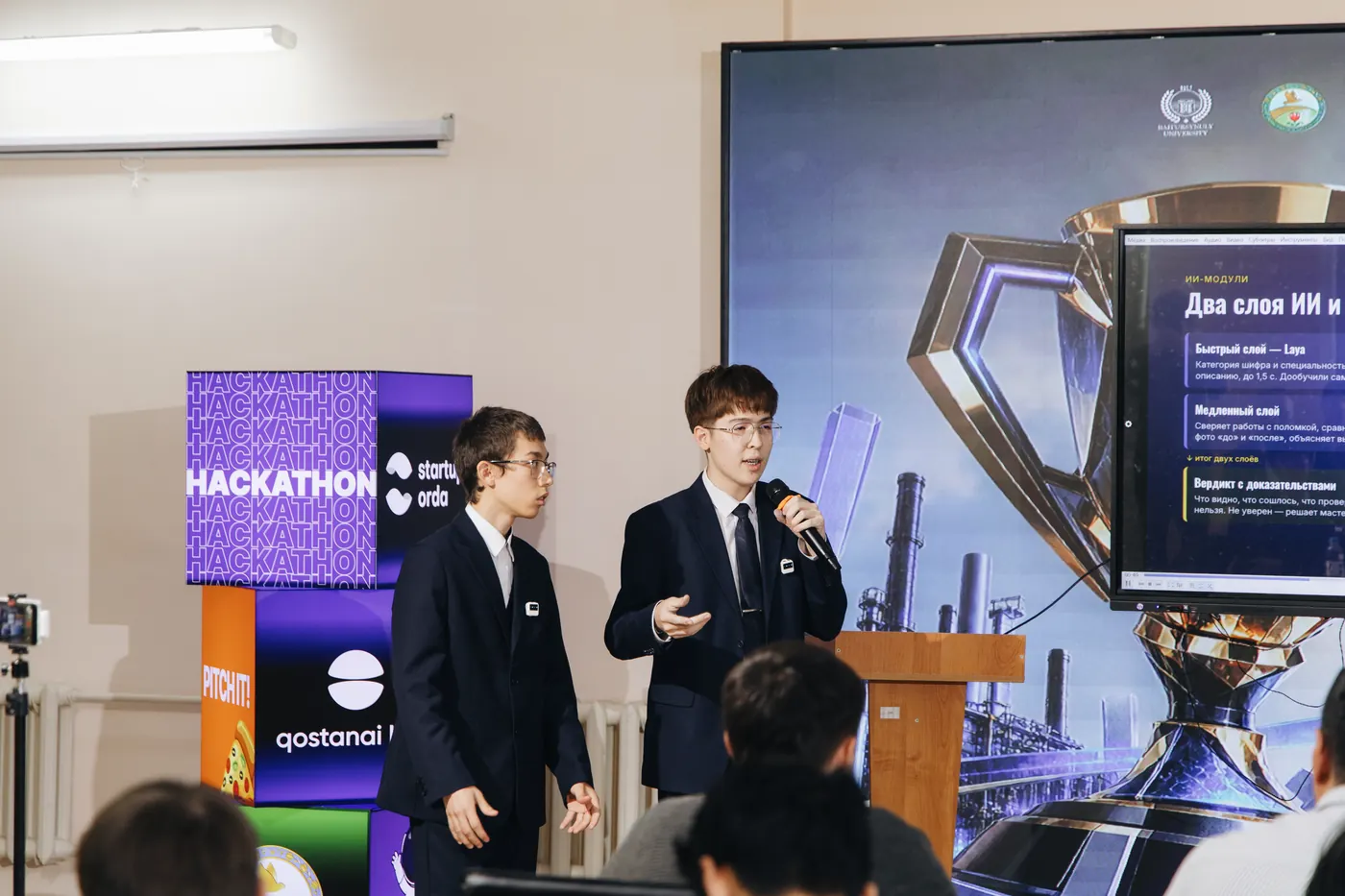
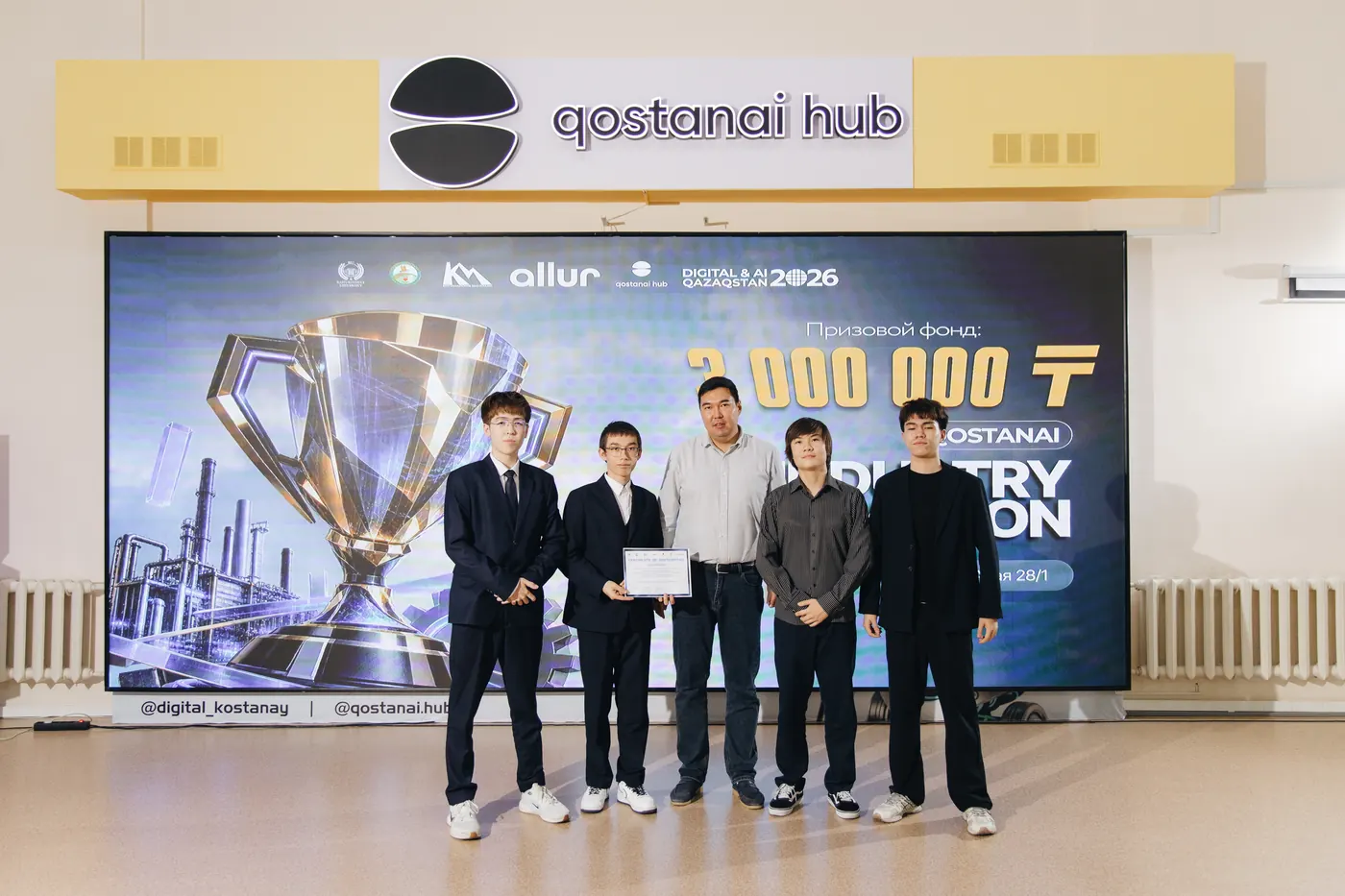
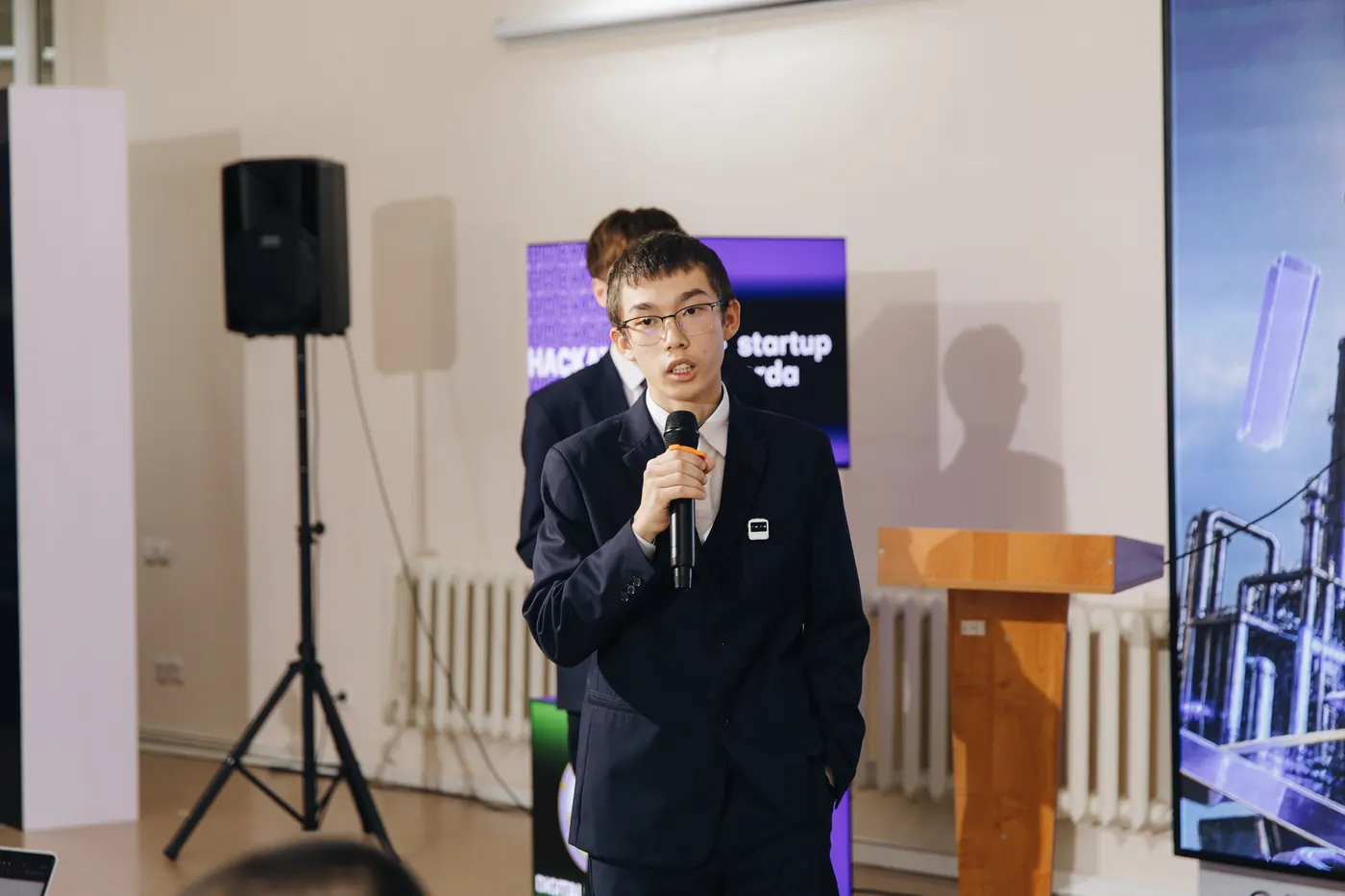
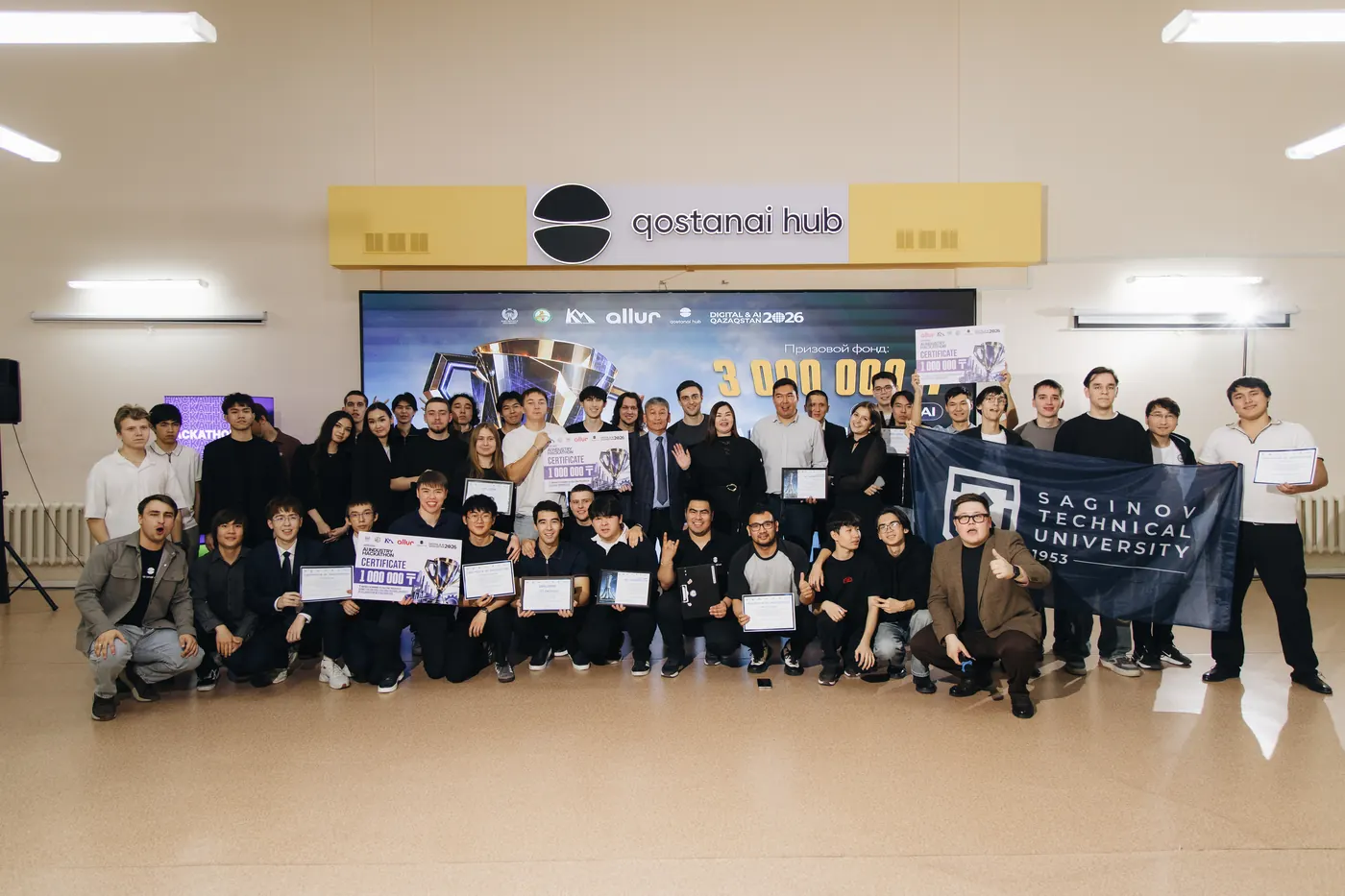
Qostanai AI Industry Hackathon 2026: more than 150 teams from across Kazakhstan applied, with three cases from industrial companies. Our case No. 1 came from Kostanay Minerals JSC. Selection was online: we submitted on 8 October and the jury tried the app from a link without us. Twelve teams reached the final — Demo Day on 16 October at Qostanai Hub: three minutes to pitch, then phones with the app went into the jury's hands. We competed as LooksMaXing, four tenth-graders from School-Lyceum No. 1, Kostanay.
App screens
Certificate
Team LooksMaXing's certificate for taking part in the republican Qostanai Industry Hackathon. The form carries the logos of Baitursynuly Kostanay Regional University, Kostanay Minerals, Allur, Qostanai Hub and Digital & AI Qazaqstan 2026. Signed by Zh. Zharlygassov, acting rector of the university.